

UN starts evacuating 11,000 stranded sailors from Strait of Hormuz


- Details
- Category: General
- Published on Tuesday, 23 June 2026 21:23
- Written by Administrator2
- Hits: 208
Following the start of the US-Israel war on Iran on February 28, Tehran had effectively closed off the strait, leaving vessels stuck.


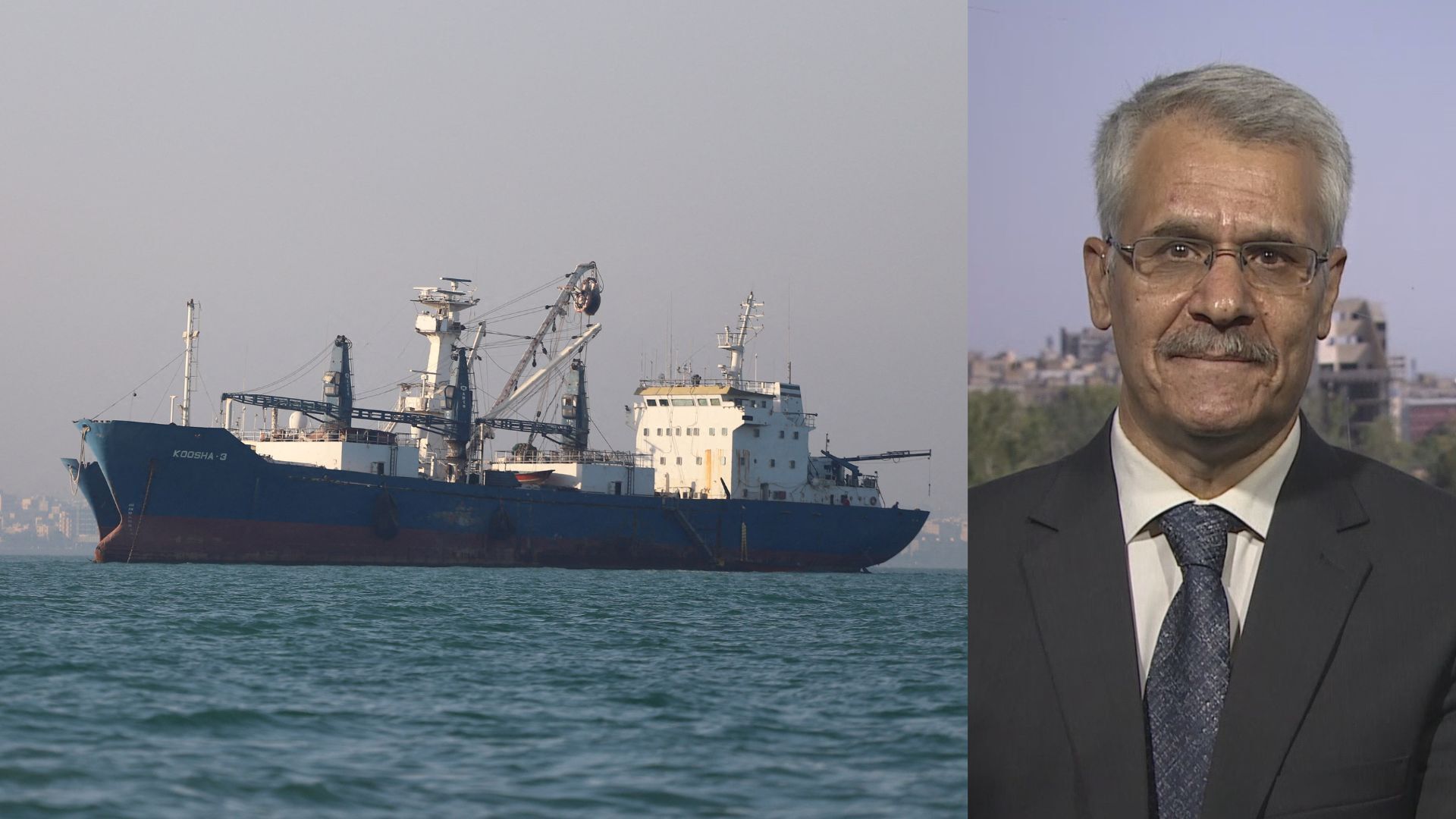
The United Nations’ International Maritime Organization (IMO) has begun evacuating more than 11,000 sailors stranded in the Strait of Hormuz following the memorandum of understanding signed by the United States and Iran to end the US-Israel war on Iran.
IMO Secretary-General Arsenio Dominguez said in a statement on Tuesday that the operation would be carried out in “close cooperation with Iran, Oman, all other coastal states in the region, the United States and the maritime industry”.
Recommended Stories
list of 3 items- list 1 of 3Iran war day 116: US eases Iran sanctions; Israel kills two in Lebanon
- list 2 of 3Iran says technical talks with US in Switzerland conclude successfully
- list 3 of 3What Israeli and Lebanese officials are saying before Washington talks
“We have secured the necessary safety guarantees and have thoroughly verified the conditions for safe navigation to support these operations,” he said.
Following the start of the US-Israel war on Iran on February 28, Tehran had effectively closed off the strait, leaving vessels stuck on the waterway.
But shipping traffic has increased since the signing of the agreement last week, with the Kpler shipping intelligence agency reporting that at least 36 commercial vessels passed through the strait on Monday, a record level of traffic since the war began.
According to Oman’s Defence Ministry, the evacuation process under the IMO plan, which has been under discussion for months, will be phased.
“Given the elevated risk of collision in the current environment, a gradual and controlled evacuation of vessel traffic is required,” it said.
-
Now Playing
Hormuz will not return to pre‑war status as Iran, Oman forge new security order, analyst says
-
Next

Trump disputes Iran’s rejection of nuclear inspectors
-
Rubio begins Gulf visit in the UAE to advance US-Iran peace deal
-
Iran’s president arrives in Pakistan for peace talks
-

Elections in the age of AI: Can US voters still trust what they see? | This is America
Denmark announced on Tuesday that it will join an international maritime mission set up by France and Britain to help reopen the crucial waterway.
Reporting from the Strait of Hormuz, Al Jazeera’s Tohid Asadi explained that talks between the US and Iran on a peace deal have gotten “a little bit better”.
“Today, we’ve got a joint statement by the Omani and Iranian sides saying they are talking about mechanisms to reopen trade through the Strait of Hormuz. This is a positive indication,” he said.
“However, it remains to be seen how long it’s going to take for the strait to reopen, and until then, we see hundreds of ships stranded on both sides of Hormuz.”
Meanwhile, US Secretary of State Marco Rubio arrived in the United Arab Emirates on Tuesday and reiterated that Iran would not be allowed to charge tolls in the strait under any final deal with the US.
“It’s an international waterway. No country is allowed to charge tolls or fees on an international waterway,” he said, adding that he believed “all the countries in this region would agree”.
Tehran’s top negotiator, Mohammad Bagher Ghalibaf, had earlier insisted the Strait of Hormuz “will never return” to the pre-war status quo, despite the foes agreeing to set up communication lines to keep it open.