Strait of Hormuz crisis averted for now


- Details
- Category: Seguridad marítima
- Published on Monday, 02 February 2026 22:12
- Written by Administrator2
- Hits: 298
SEATRAE MARITIME
Oil prices eased back on Monday morning as live-fire exercises orchestrated by Iran in the waters of the world’s most important energy lifeline have been called off.

February 2, 2026
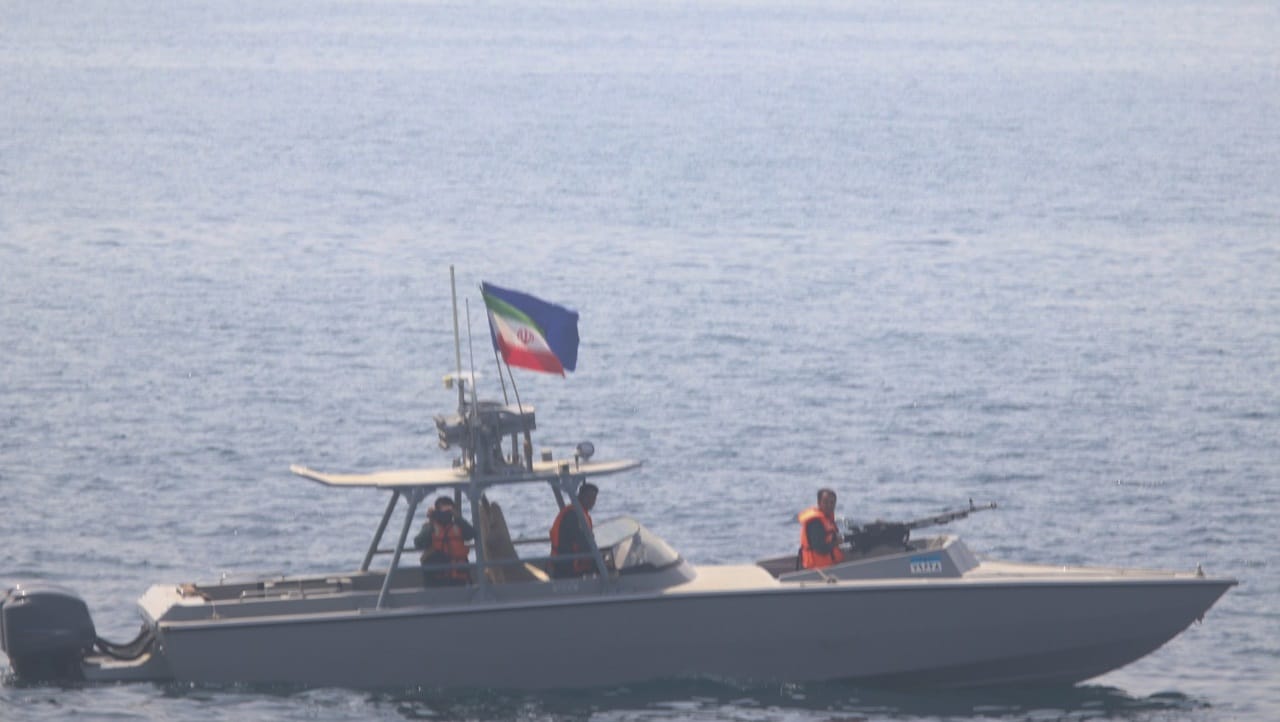
Iran’s Revolutionary Guards’ plan to hold live-fire exercises in the Strait of Hormuz were called off at the weekend. They had been widely reported by international media outlets after the country’s state-run Press TV announced plans to carry out the exercises on the first two days of February on Thursday. However, an Iranian official subsequently told Reuters that there were no such plans and that media reports to the contrary were wrong.
The Strait of Hormuz between Iran and Oman is just 21 miles wide at its narrowest point. It is a congested stretch of sea over which tankers ship about a fifth of the world’s oil and container ships serve the mega-terminals in the Gulf.
Iran’s change of strategy follows Trumpian rhetoric warning the country should avoid any ‘unsafe and unprofessional behaviour’ near US forces in the area. President Trump sent the aircraft carrier, USS Abraham Lincoln, to the region last week and the vessel is now understood to be operating in the Arabian Sea.
Oil prices fell sharply on Monday morning after peaking late last week. Brent crude had climbed close to $70 but eased back early this morning to around $66.
Meanwhile, the outcome of yesterday’s OPEC+ strategic meeting on oil production levels was in line with analysts’ predictions. The halting of higher production levels which rose steadily through 2025 will be maintained until at least the end of March, the producer group said late on Sunday.
For the world’s tanker markets, recent volatility is likely to remain in place. Threats to the security of the Strait of Hormuz appear to have eased for the moment but shipbroker Gibson warned in its weekly report that geopolitical forces are set to remain the dominant driver of tanker markets this year.
“With conflicts unresolved, sanctions evolving, and trade policies increasingly unpredictable, volatility is likely to persist,” the broker said. “More than ever, freight markets are being shaped by political decisions rather than purely by supply-and-demand fundamentals.”
About the Author